EDI Communication, a method of electronically exchanging business documents, like Purchase Orders and Invoices, between Trading Partners, has been very much in demand for manufacturers, retailers, suppliers, etc. in recent years…and for good reason! [Read the top benefits of EDI]
So, you’ve recently been looking into doing business with a large retailer but they require you to exchange POs, Invoices, ASNs via EDI? Debating whether or not to bring EDI into your business by 2016? Read more

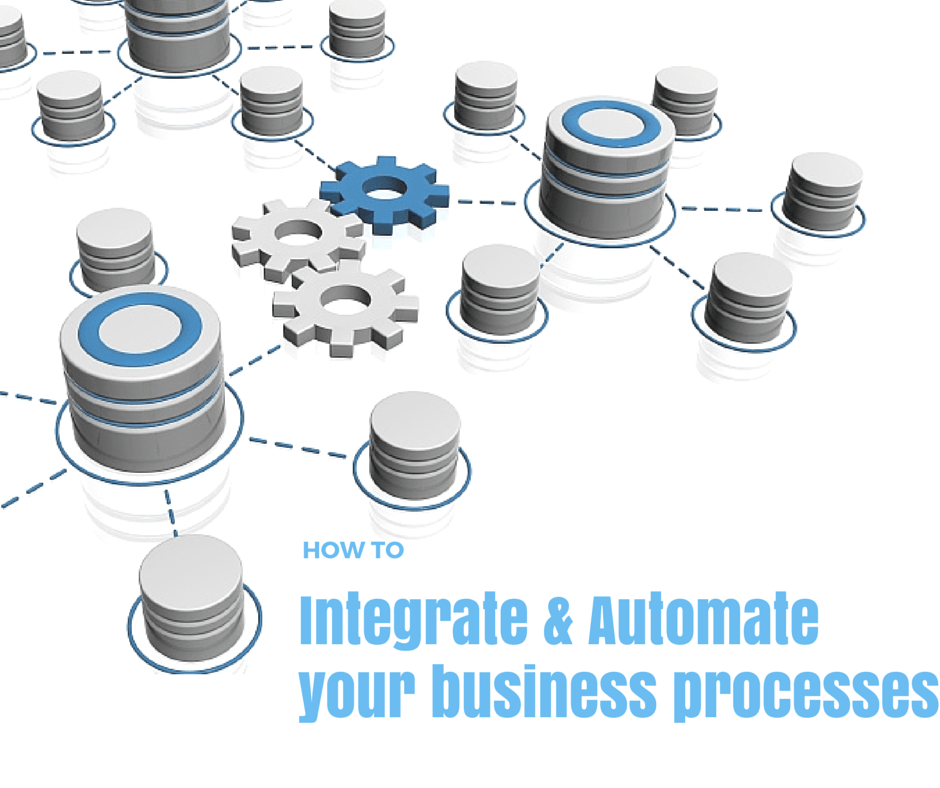
 Companies are relying more and more on technologies and for good reason. The power of software automation and integration can enhance a company’s overall efficiency and improve B2B and B2C relationships. One such example comes with the integration of EDI and eCommerce
 First, let us define these two terms:
 Many companies that sell to big-named retailers get told to implement EDI in order to do business together. Often, when this happens, the supplier begins to question whether it is worth complying with the customer’s request to use EDI to begin trading electronically.
 It’s always difficult to know what your business needs in terms of IT software without having seen or tested other systems. On top of this, we are all creatures of habit; once we get used to working a certain way, we do not question it, as it becomes second nature. However, this can be detrimental to a business. Only once a company begins to experience growth, expansion or a rapid sales increase, do they realize there is too much inefficiency that can prevent them from growing. More often than not, it is those companies that have not upgraded or changed their legacy system in years, or have no system at all, that will be affected the most.