When I first started out in the IT industry, I quickly realized that speaking in IT jargon was the norm. IT professionals didn’t know how to differentiate between speaking with clients, who are usually business managers, and speaking with fellow IT professionals. IT jargon was thrown all over the place during meetings, which is when I’d see many confused expressions around the table. Business professionals would then believe that “Software as a Service in the ‘cloud’” or “application hosting off premises” were solutions that were too complex for their business and so they would simply want to stick with their legacy systems. However, more and more, small business owners are realizing that these IT terms are important to understand as they are allowing them to implement integrated systems at a lower cost that have the power to improve their entire organization’s processes.
To avoid confusion, here are a few ‘cloud computing’ terms decoded Read more

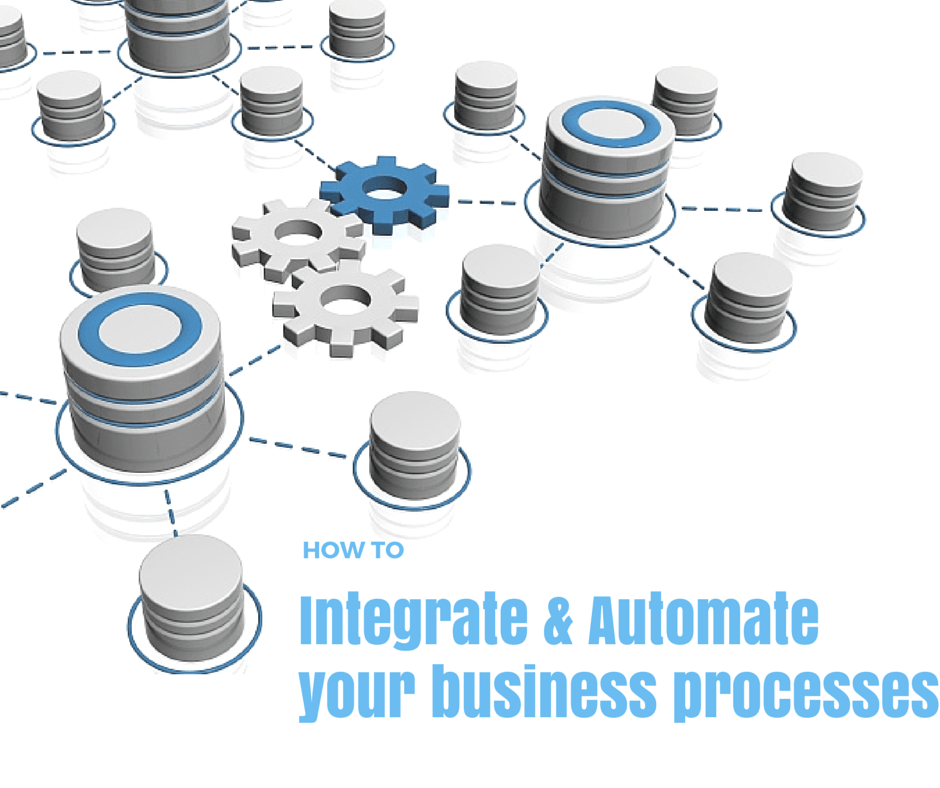 First, let us define these two terms:
 Many companies that sell to big-named retailers get told to implement EDI in order to do business together. Often, when this happens, the supplier begins to question whether it is worth complying with the customer’s request to use EDI to begin trading electronically.
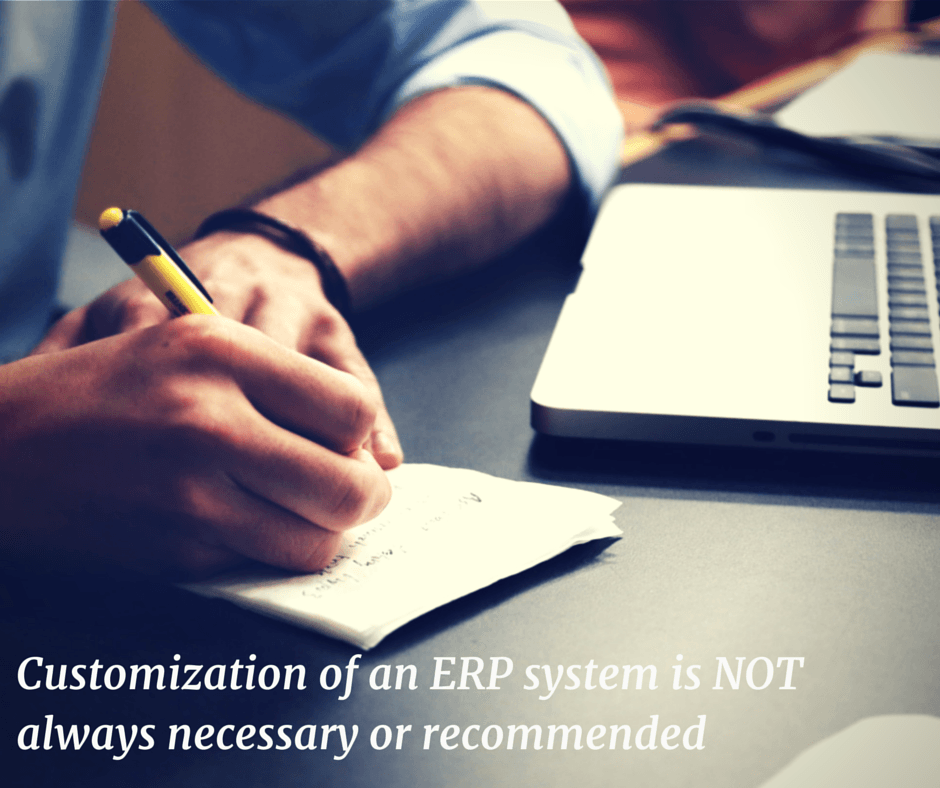 It’s quite common for businesses to implement an ERP system that has been tweaked for their company. In other words, customization of ERP systems is normal. However, is it the best thing to do for your solution as well as for your business?
  While browsing online, it’s common to find many outdated company websites. When asked if these business owners plan to update their sites, they are quick to say no, without fully understanding the negative impact a dated website has on a business. It’s no secret that most consumers search for brands and products online before buying or visiting stores in-person.