
Last Updated on December 13, 2022 by Tatyana Vandich
 We’ve all heard our fair share of nightmare stories when it comes to new software, more specifically Enterprise Resource Planning (ERP), implementations. What we don’t often hear, however, are the mistakes that were made during this project that could have been avoided. In many of these stories, the blame is put on the Software Provider or on employees who resist change and the system. However, there are some mistakes that business executives make that can affect the outcome of an ERP software implementation.
Here are 5 common mistakes that business leaders make throughout a new software project;
-
They opt out of End User Training and After-Sales Support
Before any implementation project begins, a Software Provider will approach the management team with various support plans to choose from. These discounted plans will include billable hours for end user training and post-implementation support. It is up to the customer to choose which plan they’d like to have, depending on the amount of hours they request for support and training for themselves and for all their system users. In many cases, however, in order to keep costs down, executives will opt out of any support plan (which in turn opts them out of end user training for their employees). This is a huge mistake that many business leaders make. Without proper user support and thorough end user training sessions, the chances of user resistance and low productivity increase. If employees don’t fully know how to use the system to its full potential, then companies won’t realize the full benefits of an ERP system, but rather will experience decreased individual performance and thus decreased overall productivity.
In the end, by saving on the support plan, they are losing out more in the long run. End user training and proper support can alleviate stress and combat fears of employees, associated to using a new system, and allows them to accept this big change. It also teaches them the necessary skills to prevent any problems in the system and to efficiently handle unexpected issues with confidence. Never forget that a software system is nothing without its users. System users are the key to unlocking the benefits and improvements that a good software system can bring to a company. Invest in your end users and never pass up on support and training plans. It’s an investment you’ll be happy you made in the long run.
-
Lack of participation from business leaders
In our very own ‘Process to Succeed’ guideline that we share with customers prior to any new ERP software implementation, we stress the importance of top-level management participation during the planning process as well as throughout the implementation phase. This is a prerequisite to any of our large software implementations, in order for our customers to achieve a successful implementation. What does this participation include? We understand that business owners and executives are extremely busy with their day-to-day tasks and therefore won’t have the time to constantly be working on the implementation project (and we don’t expect them to). Normally, companies will put together a small internal team of about 5 (or less) employees, from various departments, to manage and overlook the ERP implementation project. This is great! The participation that we require from top management comes more in the form of support, motivation and encouragement. Company owners, executives and managers need to have their own confidence in using the system and share their excitement and knowledge with their team, especially when they see them frustrated or afraid of the new changes ahead. Management should remain unified in support of the project and should continuously encourage their employees to not give up and learn all they can about new processes and the new system. During the end user training periods, it would also be helpful if management can alleviate their team, for a short period of time, from regular responsibilities, in order to take the necessary time to get properly trained by the Software Provider.
-
Leaving it all in the hands of the IT Software Provider
We’ve said it before and we’ll say it again and again and again…a software implementation, especially one as large as a full ERP implementation, is only successful if ALL parties participate since everyone in a company will be affected by the change. Similar to mistake #2 above, every team member, even the leaders, needs to have some sort of involvement in the implementation project. It requires synchronous collaboration, which involves the IT team and the business team working together simultaneously and remaining in constant communication as the project progresses, to ensure everything internally is running smoothly and everyone’s needs are being met. Employees are the ones that know the business processes inside out; the IT team is there to help streamline, automate and integrate those processes. It’s important to explain to employees how their participation and role in the project will influence its success. This will give them a sense of commitment to the project and hopefully instil a positive attitude towards the system and implementation process, which is definitely welcome.
-
Having unrealistic expectations of timelines and costs
Every software implementation is unique. During a new project, Software Providers deal with a new company, new business people, new processes, new requests and new expectations. The business as a whole may be similar to other companies but an implementation is never the exact same from company to company. It’s absolutely critical to share all of your expectations and assumptions you have of the new system and the implementation phase. This includes any timelines, costs, benefits, project roles, etc. By sharing all of this with the IT Provider, they’ll be able to set things straight right from the start. For example, if you were expecting an implementation phase to only last 1 month, the IT Provider, from experience and expertise in the field, may come back to you with a more realistic timeline of 3 months. Therefore, you won’t be disappointed and frustrated when the implementation lasts longer than your 1-month expectation. The Software Provider will also share all of their expectations from your team and of the project as a whole. Together you’ll come up with realistic goals and expectations for your specific case, allowing everyone to be on the exact same page.
Talk with your Software Provider first and get their input on timeframes and realistic expectations, as they can provide their expertise on the matter and knowledge from previous experiences.
-
Beginning the new software project without a plan of action & workflow
It is never a good idea to start ANY project without a plan of action. So why start an ERP implementation without one? What every business leader should do is;
- Sit down with the Software Provider to discuss and outline the complete process or plan of action for the implementation phase and create a workflow
- Identify everyone’s role and responsibility throughout the implementation phase
- Share the plan of action with all involved parties, along with their roles and responsibilities
- Properly educate all employees (or users of the new system) about any change in business processes that will affect their day-to-day work life.
It’s best if companies have a well-designed plan before starting the project, accounting for minor changes, in order to avoid confusion, frustrations, increased costs, etc. Major software or process changes should all be accounted for during the outline of the plan of action. Inform all employees of the coming changes so they aren’t surprised and can have time to accept these changes.
If you’re a leader of a company, looking to implement a new software system, don’t make these common 5 mistakes. Contact us today for more information.
 It’s already nearing the end of 2016. Crazy how fast time flies! For many people, this time is the busiest, filled with corporate events, family gatherings, holiday shopping, vacations and more. For many businesses, especially in the retail industry, it’s also one of their busiest times of the year. However, there are those industries or companies where December is a quiet month, making it the perfect time to look ahead and plan for the upcoming year. It’s when executives can finally set aside a few hours or days to establish and finalize next year’s budgets, prioritize upcoming projects, assess employee performance and review goals and benchmarks for the following year. What our consultants always encourage is to also set some time aside to review business processes and determine which ones aren’t working well anymore. For example, are you noticing an increase in unhappy customers, an increase in manual data entry, duplicated work, an increase in costs, missed deadlines, frustrated, and unproductive employees…? If so, it’s definitely time to improve the processes that don’t work and are leading to these problems.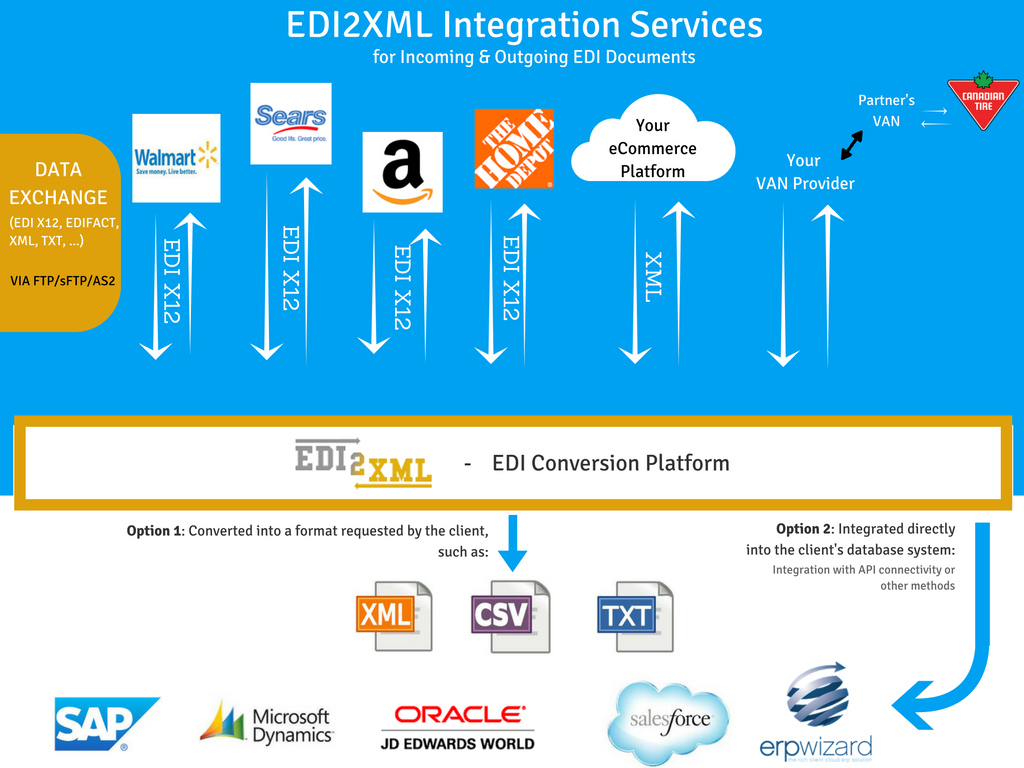


 We are certain that demand for these management solutions will only increase, as executives are actively looking to transform their businesses using the latest technologies on the market. We predict that mobile business applications will make this list next year, as business owners are looking to supply their on-site teams with access to their management system to input and review real-time data. Modern, visually appealing, easy to use applications don’t just have to be for personal use; companies should be benefiting from these types of applications as well! One thing is for certain; businesses are looking beyond the brand name when it comes to software systems and taking the time to ensure that the Software Provider and offerings are a good fit for their company.
 In today’s business environment, there’s no denying that IT is a real value driver. We keep finding way too many companies that are still playing “catch up” rather than “getting ahead” of the game, because they are not leveraging technology, as they should be. What business owners don’t realize is that by relying on an IT partner (on the right partner of course!), they can go from just surviving to thriving, due to the benefits they will receive from efficient technologies and helpful IT services. Companies are growing at such a fast rate, industries are evolving and consumer demands are constantly changing. Using technology to solve business and technology-related challenges will provide employees with more time and money to concentrate on what really matters to ensure business growth and success.
 It’s no secret that our EDI2XML team enjoys helping companies increase efficiency, improve partner relationships, speed the flow of goods to customers and improve shipping accuracy by enabling them to easily exchange documents electronically between trading partners.
 What is “data insurance”? To our team at Namtek Consulting Services, it is a company’s Business Continuity and Disaster Recovery solution and plan. All of our customers, using our QBR Business Continuity solution and service refer to their monthly fee as their data’s insurance policy. They know that no matter what happens, their data is protected and easily recoverable. They are provided with real-time backups, email confirmations ensuring that all backups taken were successful, and quick recovery methods for their data during any crisis or disaster. Please don’t get this mixed up with those old backup tapes and drives.
  In the end, what matters to every business owner, is how fast employees can get back to work or in other words, how quickly operations can resume, during all sorts of disasters or crises. Be it a fire, a flood, an ice storm (for all our fellow Canadians), a human error, a ransomware attack, or hardware malfunction, it’s important to be well protected. A company’s data is extremely valuable to their operations and it’s time business owners see Business Continuity services as their insurance policy. Our QBR customers can restore an entire server, an entire desktop or simply pick and choose a specific file they accidentally deleted. It’s that simple and truly that remarkable.


